Toxic Masculinity Online: How the ‘Manosphere’ Shapes Young Men
With billions online, digital spaces shape how we connect and explore identity but they also spread hate and misogyny. One growing corner is the “manosphere” a loose network of communities that claim to address men’s struggles, such as dating, fitness, or fatherhood, but often promote harmful advice and attitudes.
According to an article by UN Women, the manosphere promotes narrow and aggressive definitions of masculinity and frames feminism and gender equality as threats to men’s rights. It emphasizes emotional control, material wealth, physical appearance, and dominance especially over women as markers of male worth. This content often spreads across social media, podcasts, gaming communities, and dating apps, presenting itself as guidance for self-improvement while normalizing misogyny and unhealthy behaviors.
Why Young Men Are Drawn In
Experts note that these online spaces appeal to young men navigating identity, social pressures, and feelings of isolation. “These communities provide a sense of belonging and validation for men who feel overlooked or misunderstood,” explains psychologist Zuhal Alnajar. “The allure is not just ideological; it’s emotional. Followers are seeking recognition, guidance, and a framework for understanding their social world.”
Statistics reinforce this pull. The Movember Foundation reports that two-thirds of young men regularly engage with masculinity influencers online. Equimundo’s 2023 “State of American Men” report finds that two-thirds of young men feel “no one really knows me,” highlighting the emotional vulnerability these communities exploit. Young men often stumble across these manosphere influencers like Andrew Tate and many others while searching for advice on fitness, dating, or even cryptocurrency.
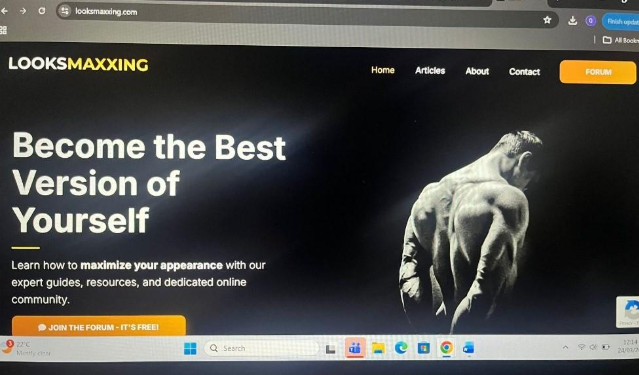
The content is packaged in entertaining, accessible formats, often using humor, storytelling, and gamified advice. One extreme example is “looksmaxxing” the pursuit of maximizing one’s physical attractiveness through intense and sometimes dangerous regimes. In some corners of the manosphere, young men are encouraged to adopt extreme practices, including excessive weightlifting, cosmetic procedures, or even bone smashing techniques where they take a hammer and hit their cheekbones for a more attractive appearance. While these practices are framed as self-improvement, they often pose serious risks to physical and mental health, promoting a culture of body obsession and hyper-competitiveness. Many of these influencers also profit from these vulnerable men by selling programs, courses, or guides that promise to teach them how to become the “perfect, manly” version of themselves, turning insecurities into revenue.
The Consequences
While the manosphere can create a sense of community, it carries significant risks. Immersion in these ideologies can heighten aggression, encourage misogyny, and distort perceptions of relationships. Alnajar warns: “When young men adopt rigid, online-prescribed notions of masculinity, they may struggle with empathy, emotional regulation, and realistic expectations in personal relationships. It can limit personal growth rather than foster it.”
UN Women reports that young men who actively engage with masculinity influencers often experience higher levels of worthlessness, nervousness, and mental health struggles. They may prioritize wealth, status, or physical appearance over emotional well-being, take performance-enhancing supplements, or push their bodies to dangerous extremes in pursuit of idealized masculinity.
The real-world impact is tangible. Extremist subsets of the manosphere, like incels or the “red pill” community, promote coercion and hostility toward women, linking online ideology to harassment, threats, and in some cases, acts of violence. Misogyny online is not confined to the digital world it spreads to schoolyards, workplaces, and public spaces, affecting women’s safety and perpetuating inequality.
Finding a Balance
Experts emphasize awareness, education, and media literacy as essential tools to mitigate the risks. “We need to provide safe spaces where young men can explore identity and emotions without resorting to extremes,” says Alnajar. “Healthy masculinity is inclusive, adaptive, and grounded in empathy.”
UN Women and partners such as HeForShe, Equimundo, and the Movember Foundation advocate for programs that teach digital citizenship, critical media literacy, and positive masculinity. Encouraging emotional expression, open dialogue about gender stereotypes, and reflection on digital content can counter the influence of harmful communities. Parents, educators, and mentors play a key role in helping young men navigate online spaces responsibly.
Promoting critical thinking, empathy, and inclusive masculinity can foster healthier approaches to identity, relationships, and self-perception. By offering guidance, alternative perspectives, and safe forums for discussion, society can help young men resist extreme online narratives and adopt balanced definitions of manhood.