UAE Enforces Influencer Licensing Under Federal Media Law
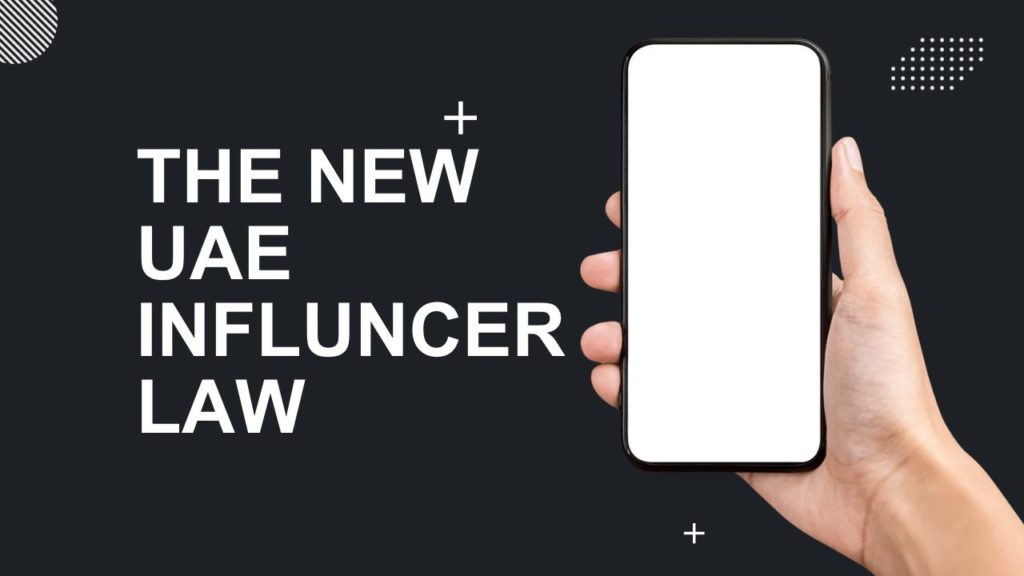
Federal Decree-Law No. 55 of 2023 introduces mandatory licences and fines for influencers and digital creators.
The clock is ticking for social media influencers in the UAE, with the registration deadline for compliance with the new influencer law set for January 31, 2026.
Under Federal Decree-Law No. 55 of 2023 on Media Regulation, anyone posting or monetising promotional content on social media must be properly licensed. The UAE Media Council has introduced a dual-licence system requiring influencers who earn income through sponsorships, brand deals, or affiliate marketing to hold both a commercial licence and an Advertiser Permit, which must be linked to their social media accounts.
The permit must be linked to the influencer’s social media accounts. Residents receive the first three years free, while visitors promoting content in the UAE must obtain a temporary permit.
Sally Ayesh, a journalism student at the American University in Dubai, who produces media-focused content on social media. Ayesh said the licensing requirements provide clarity and legitimacy for young creators. “It feels like the government is finally acknowledging that creating content for an audience is serious work. Even as a student, I want my content to be credible and trustworthy. Knowing the rules helps me understand what I can do legally and how to approach brand collaborations responsibly,” she said.
Ayesh added that the system encourages creators to act professionally. “When you’re just starting, it’s easy to make mistakes or misunderstand what’s allowed online. The licensing system gives us clarity, and that’s especially helpful for young creators who want to build a career without risking legal issues. It’s a learning experience that will help us be more professional in the long run.”
Established creators also commented on the new regulations. Dubai-based influencer Shaza Farah said in an interview that the permit formalises content creation as a business sector. “It shows that content creation is being recognised as a formal business sector. This could help protect creators and brands as the market grows. The rules also help distinguish serious influencers from hobbyists, though we need more clarity on enforcement for unpaid content.”
Another influencer, Mohammed Mahmoud, known online as Boosh Bshasha, said in an interview with Khaleeji Times that he obtained his permit immediately. “It adds legitimacy to what we do and gives clients more confidence. When there’s a process and regulation, it’s easier to build long-term partnerships
Authorities have warned that failing to register before the deadline may result in fines starting at AED 10,000 for a first offence, escalating for repeated violations, and could include content removal or licence suspension. Severe content violations may incur fines of up to AED 1 million.
Mohammed Saeed Al Shehhi, secretary general of the UAE Media Council, said the regulations aim to support the digital content economy and strengthen its contribution to the national economy. “We are committed to supporting the content economy as a vital component of the future economy and a key driver of growth in the digital era. We believe creative talent is the cornerstone of this rapidly growing sector, both locally and globally. That’s why we are focused on updating legislation and launching strategic initiatives that foster an enabling environment for individuals and companies, while strengthening the sector’s contribution to the national economy in alignment with the UAE’s future vision and ambitions.”
Under the law, influencers must comply with content standards prohibiting material that offends religion, national symbols, public morals, or social cohesion. The Media Council can remove posts that breach these standards and suspend or cancel licences in case of repeated violations.
The framework also defines fines and penalties in detail. Operating without a licence can result in AED 10,000 for a first offence, AED 40,000 for a repeat offence, and up to AED 100,000 in extreme cases. Severe content violations, including posts that insult religion, incite violence, or damage public order, can lead to fines up to AED 1 million. Posting paid content without a valid licence, failing to renew on time, or misusing licence details can also trigger fines.
Industry observers said the licensing requirements are likely to affect how brands and agencies structure campaigns. Companies are now checking licence compliance before signing contracts or allocating budgets. Marketing professionals say this could lead to clearer expectations, invoicing standards, and professional accountability, reducing disputes between creators and clients.
The regulations have also raised concerns about smaller creators or micro-influencers, who may face administrative or financial hurdles to obtain licences. Some stakeholders warned that the dual licence requirement could limit entry for casual creators or new influencers. Authorities emphasised that the framework is designed to ensure transparency, professionalism, and consumer protection, not to discourage content creation.
The January 31, 2026 registration deadline has created urgency. Authorities have extended the registration period to give creators time to comply. They also offer guidance and support to ensure influencers understand the process, the legal obligations, and content requirements.
Compliance is critical. Failing to register can result in fines, licence suspension, or content takedown. Influencers are encouraged to document their registration and retain permit confirmation for all brand partnerships. Content posted without a valid licence may be removed, and repeat violations can result in escalating penalties. Licensing ensures creators are identifiable, accountable, and operate transparently. For brands, it provides assurance that influencers meet legal and professional standards, reducing risk in paid campaigns.
Sally Ayesh said the licensing rules, while strict, are beneficial. “The rules might seem strict, but they are really about creating a safe, professional environment for creators and audiences alike. If you want to make content a career, this is the path. The sooner you register and understand your responsibilities, the better your chances of long-term success.”
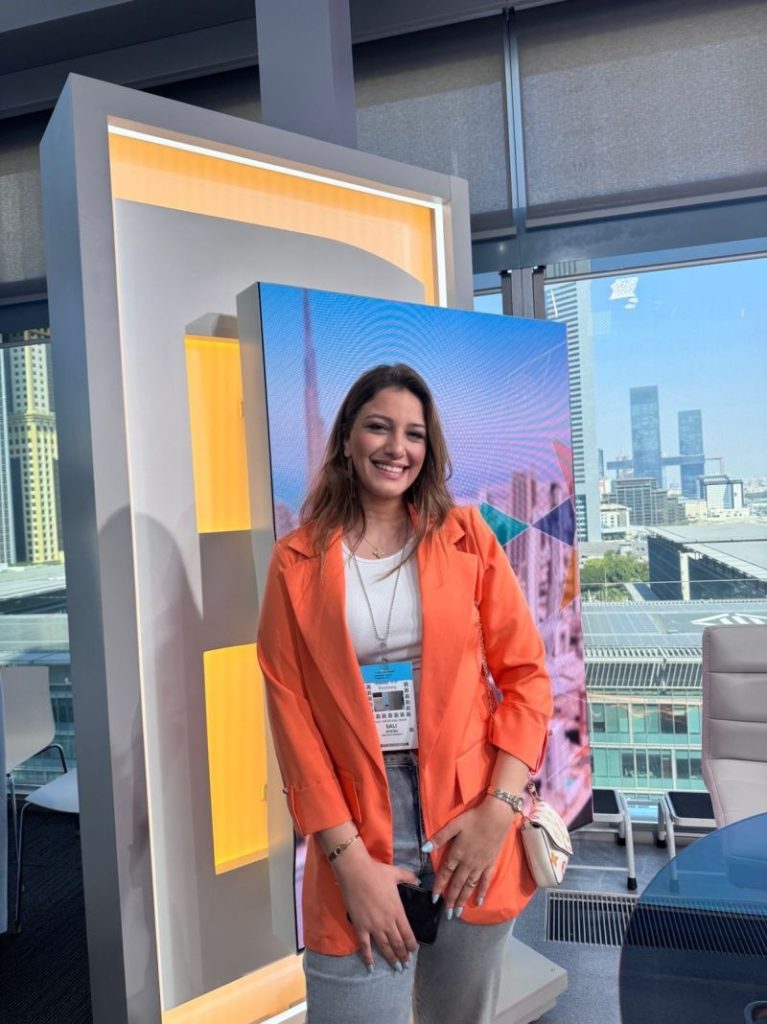
Image credit: @sallynmedia (Instagram) / Sally Ayesh is a journalist and digital creator based in Dubai with a large social media following. She creates journalism content with nearly 1 million followers on Instagram
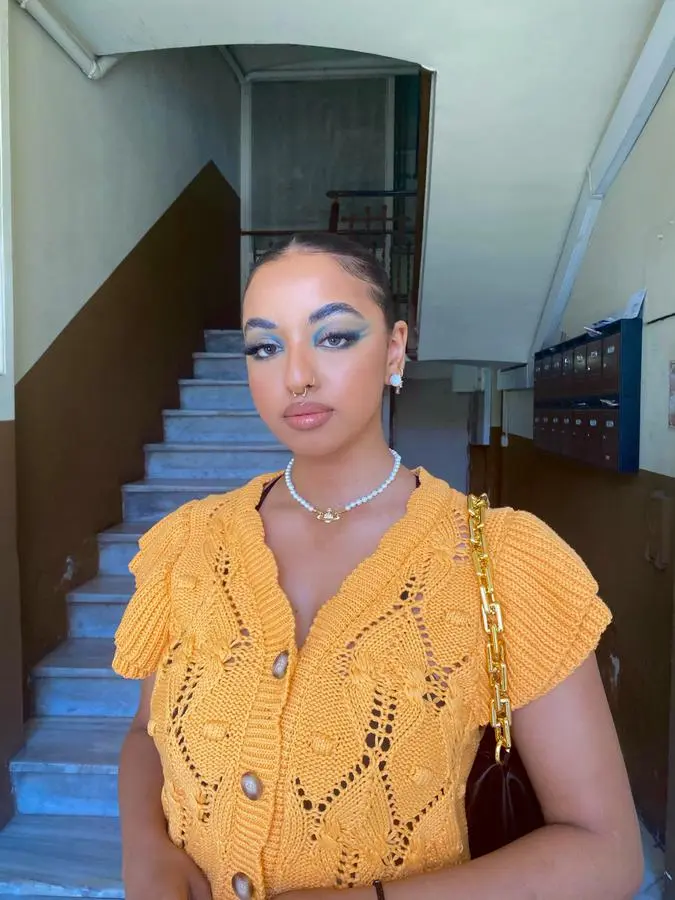
Image credit: Collabstr
Shaza Farah, a Dubai-based influencer and content creator, is active in lifestyle and fashion, with more than 521,000 followers on TikTok. She was cited in media coverage as an example of a creator responding to the UAE’s licensing rules for paid content.
Image Credit: VOE
Mohammed Mahmoud (Boosh Bshasha), a UAE digital creator and comedian, produces comedy sketches and performance content on social media. He exemplifies digital entertainers required to comply with the UAE Media Council’s licensing regulations for monetised content.